by Alethea Tinkle
Share
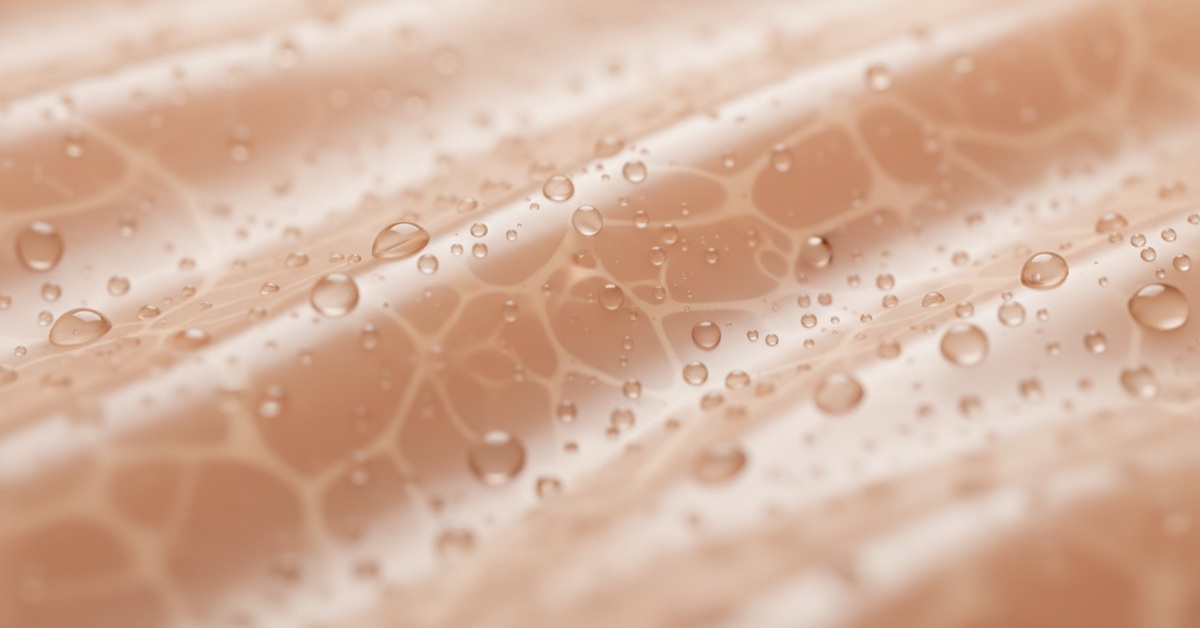
For years, aesthetic medicine has operated on a paradox: we’ve been wounding skin to heal it, stripping it to strengthen it, and destroying its surface to reveal what lies beneath. As we move deeper into 2026, I’m seeing a fundamental shift – and it’s about time.
The traditional resurfacing approach – aggressive peels, ablative lasers, harsh retinoid protocols – has dominated our industry because results were visible and immediate. But visibility isn’t the same as vitality. We’ve been so focused on what skin looks like that we’ve neglected what skin is: a living, dynamic ecosystem that thrives on support, not assault.
The problem with the conventional model is simple: inflammation as a strategy has diminishing returns.
Every aggressive treatment triggers an inflammatory cascade. In our 20s and 30s, skin bounces back quickly. But as our cellular regeneration slows, chronic micro-inflammation from repeated harsh treatments actually accelerates aging. We’re creating a cycle where patients need more frequent, more aggressive interventions just to maintain results – and their skin becomes increasingly sensitized, barrier-compromised, and reactive in the process.
Regenerative Skincare Represents a Complete Paradigm Shift
Instead of breaking down to build up, we’re working with the skin’s innate intelligence. We’re using growth factors, peptides, exosomes, and bioidentical compounds that signal cells to behave more youthfully without triggering the inflammatory damage response. We’re supporting barrier function, enhancing the microbiome, and optimizing cellular communication.
This isn’t gentler because it’s trendy – it’s strategic because it’s sustainable. The skin you have at 55 will directly reflect how you treated it at 35. Regenerative protocols build cumulative resilience rather than cumulative damage.
What This Looks Like in Practice
We’re replacing monthly chemical peels with targeted cellular renewal serums. We’re choosing non-ablative modalities that stimulate collagen without surface destruction. We’re extending intervals between aggressive treatments and filling those gaps with active support for skin’s natural repair mechanisms. We’re measuring success not just by texture and tone, but by barrier health, microbiome diversity, and long-term tolerance.
Does this mean harsh resurfacing has no place? Not at all. There are still indications where controlled injury is the right tool. But it should be the exception, not the default – and it should always be followed by regenerative support, not another round of destruction.
The aesthetic industry has spent decades perfecting ways to break skin down. The next decade will be defined by those who master building it up.
As practitioners, we have a responsibility to think beyond the next before-and-after photo. We’re not just treating appointments – we’re influencing how skin ages over decades. That requires humility about what we don’t yet understand, curiosity about emerging science, and the courage to challenge protocols simply because “that’s how we’ve always done it.”
2026 is the year we stop asking “how aggressive can we be?” and start asking “how supportive can we be while still achieving transformation?”
That’s the conversation I want to lead. That’s the future of skin health.